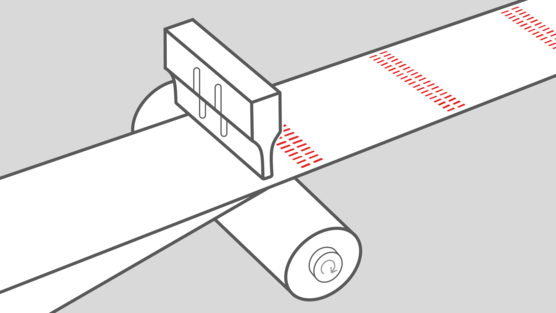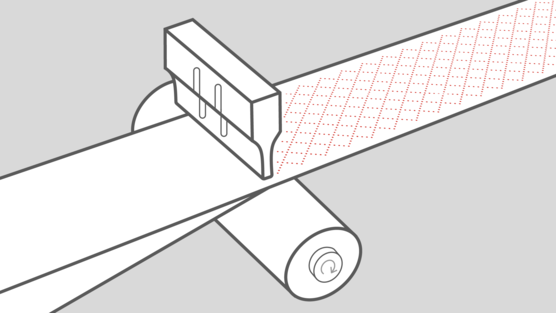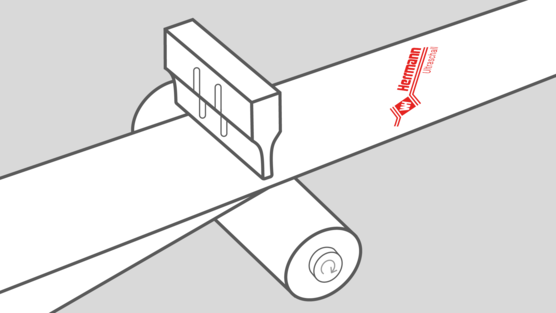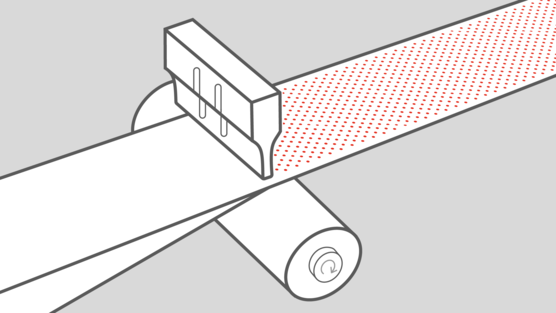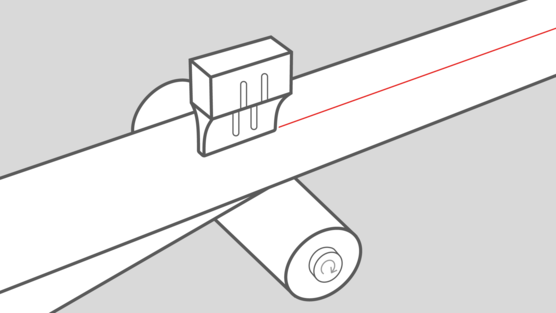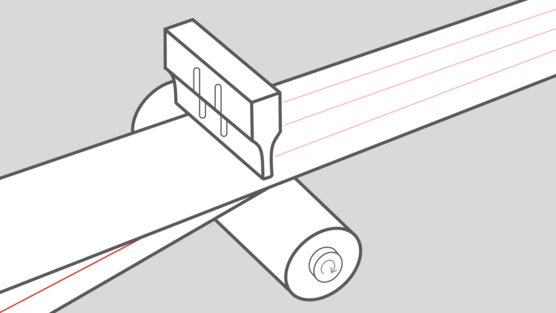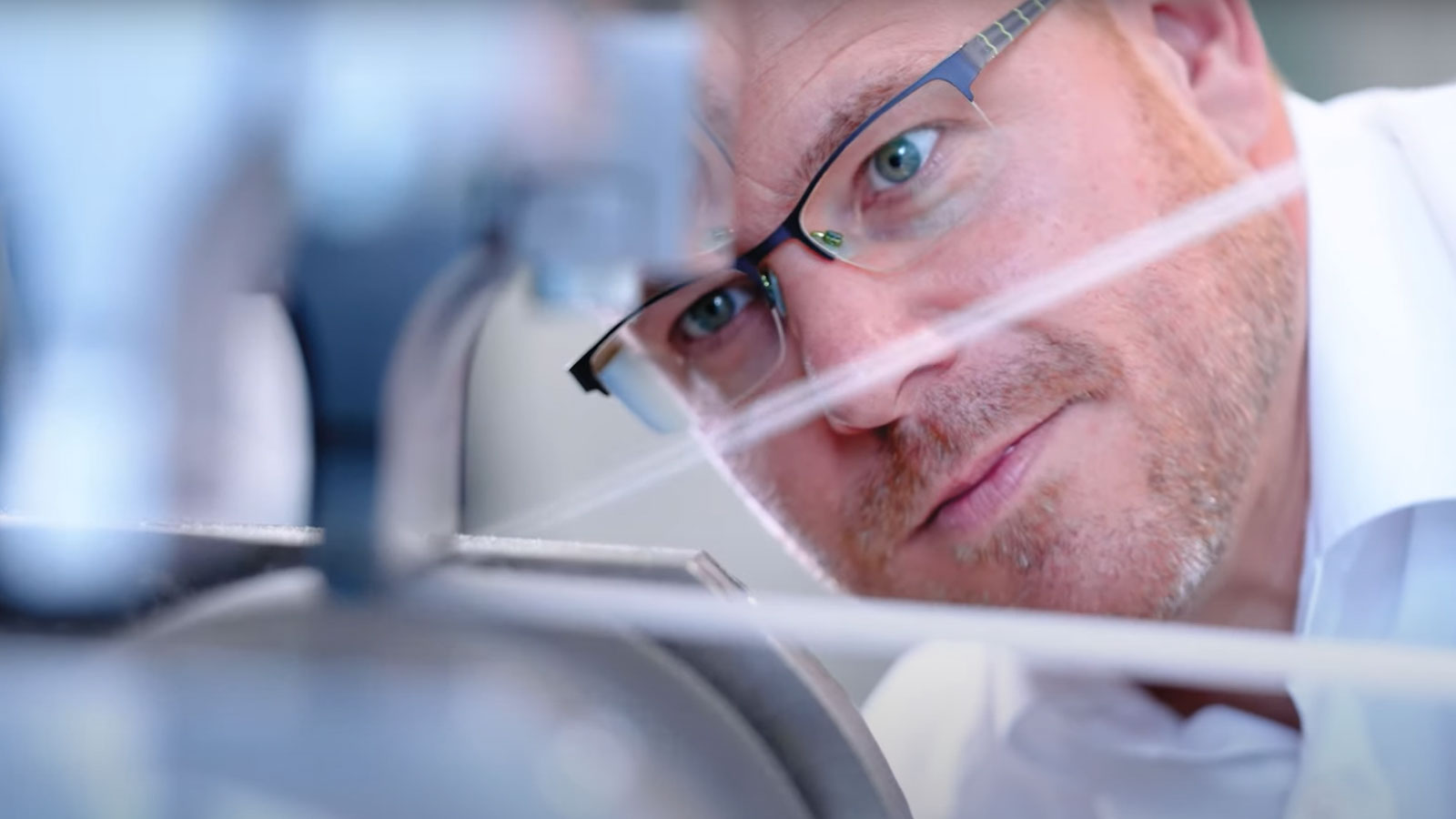
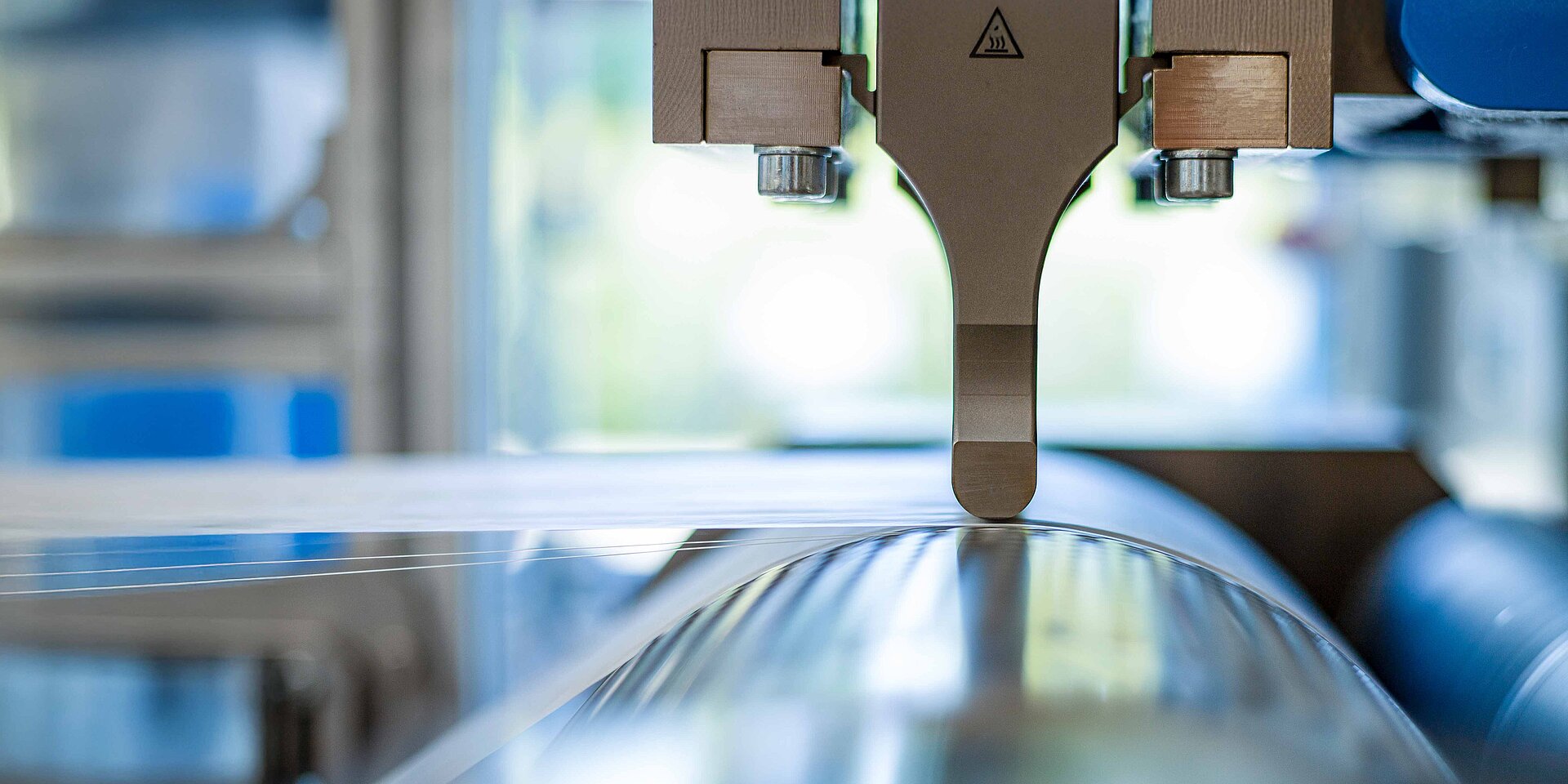



Close-up of a sonotrode and anvil roll through which a nonwoven fabric is guided

Joining nonwovens using ultrasonics

Ultrasonic bonding is a adhesive-free nonwovens bonding technology. It ensures consistent and reliable bonding without the need for continuous manual adjustments. By utilizing ultrasonics, warm up and cool down time is eliminated, precise bonding is achieved, and the need for additives are removed. These improvements result in increased production time, less product rejects, and a reduction in consumable costs.

scroll down
Red text reading “Up to 90 percent”

reduction of operating costs in your manufacturing.

Learn how it works

Red text reading “Up to 4 times”

greater process consistency even at high production speeds.

Discover our processes

Red text reading “Up to 60 percent”

less energy consumption for sustainable connections.

See which applications benefit

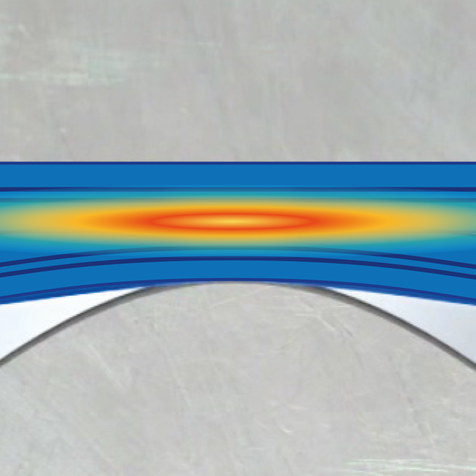
Cross-section of two materials shows heat generation during ultrasonic welding
Discover how the magic happens

How does ultrasonic bonding work?

Ultrasonics are produced in the generator and transformed into mechanical vibrations in the converter. These are introduced into the material by sonotrodes. The standard frequencies here are between 20 and 35 kHz with an amplitude of 10 to 50 μm. The plastic portion of the material is stimulated, heats up and is melted. The actual bonding process is fast: Thanks to the use of rotating tools such as anvil drums, up to 800 m of nonwovens can be processed per minute. The anvil drum serves as an anvil and has an individual surface structure to focus the ultrasonic energy precisely. 

This allows exact weld, embossing or cutting results to be achieved. A constant distance between the material being processed and the tools is important for optimal results. This is guaranteed via Herrmann's MICROGAP control technology for ultrasonic bonding.
Processes for Strong, Clean, and Precise Bonds

Types of nonwovens welding

A microbond system used for longitudinal welding of nonwoven fabric
Welding / longitudinal seal

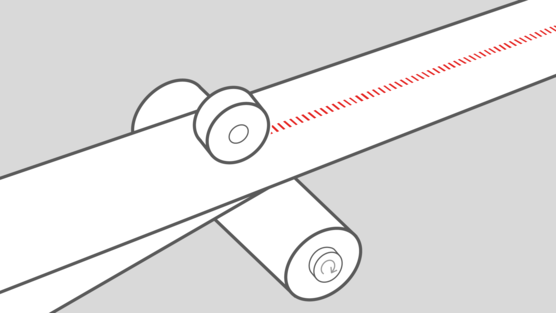
When welding nonwovens in combination with longitudinal seals, high-strength connections are established at the joint areas. Rotary ultrasonic systems are particularly suitable for joining applications close to the edge.

A microbond system cross-welding a nonwoven fabric
Welding / cross seal

Nonwovens can also be welded with a cross seal. As with the longitudinal seal, the sonotrode works in a fixed position without upward or downward movements. The rotary anvil is what makes the difference. It ensures that the nonwovens come into contact with the sonotrode at the correct place, and are only welded there in a transverse direction. This is used for the side seams of diapers, for instance.

A microbond system laminating a nonwoven fabric
Ultrasonic Laminating of Nonwovens

The structure on the rotary anvil means that the nonwovens are only joined in places, unlike the longitudinal seal. This has the advantage that the material properties remain intact thanks to the many targeted connections. For example, the filter function is not affected and the material remains elastic.

A microbond system embossing a nonwoven fabric
Embossing Nonwovens

During embossing, the nonwovens, e.g. cotton pads, have a unique structure pressed into them. This is done by an anvil drum. The special feature when the materials being joined have different colors: The color of the lower track is visible at the weld joint. A design effect, for logos, for example – without additional color printing.

A microbond system for perforating a nonwoven fabric
Perforating

Nonwovens can also be perforated in a defined pattern. The material can be perforated gently with ultrasonics and the anvil drum, for instance, in the case of wound dressings and plasters. 

A microbond system cutting a nonwoven fabric
Cut & Seal

The ultrasonic tools can even cut. While at the same time, the cut edge is sealed. This is used in the production of single-use gloves, for instance.

What we can weld for you

Hygiene Applications

Ultrasonics: Versatile. Flexible. Efficient.

Our Industry Solutions

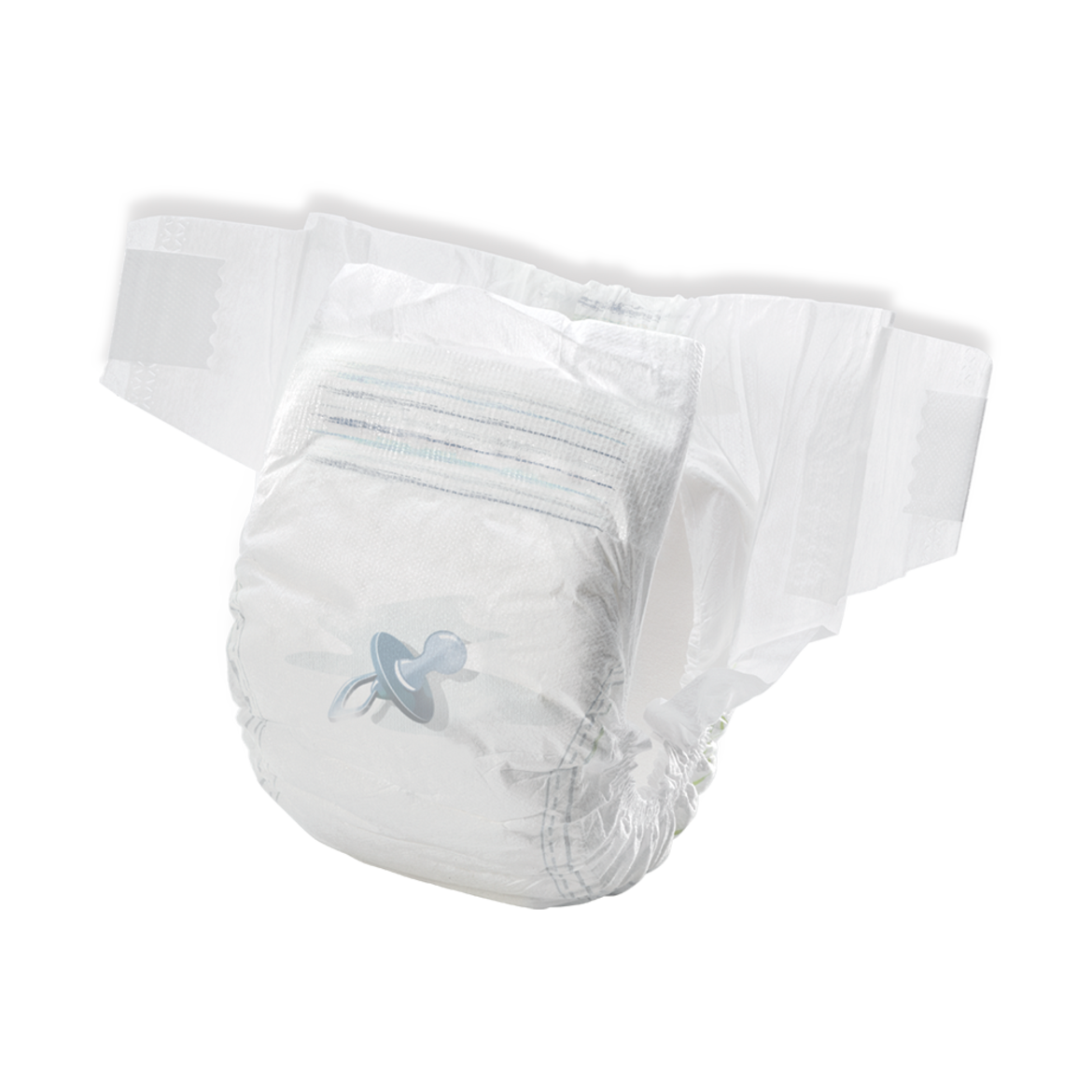
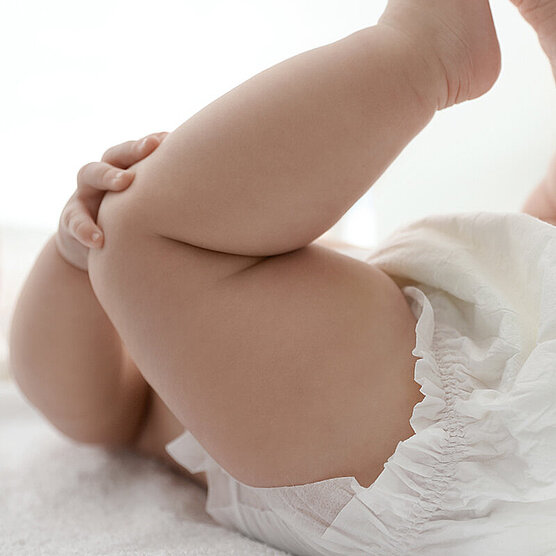
Baby lying on its back wearing a diaper
HYGIENE

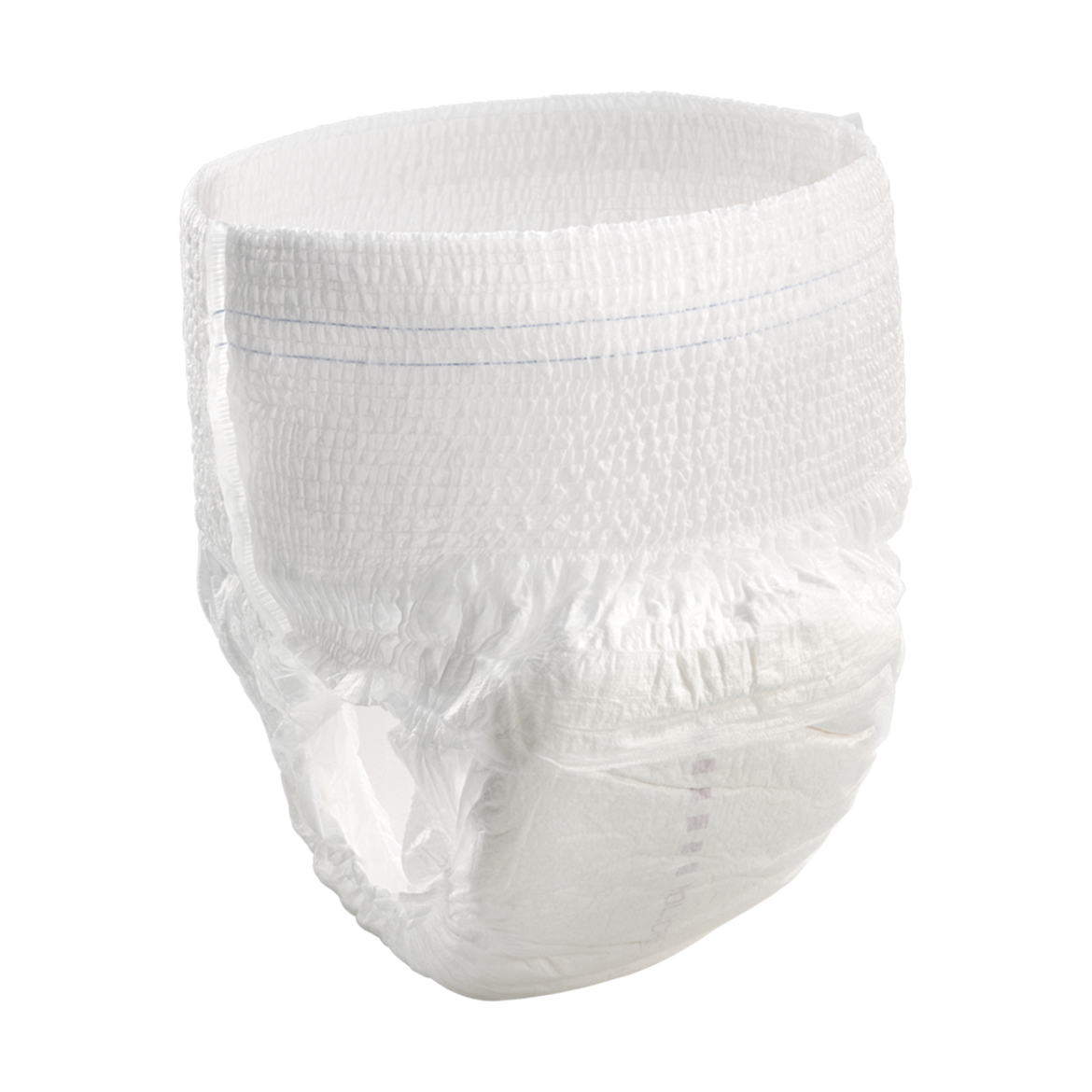
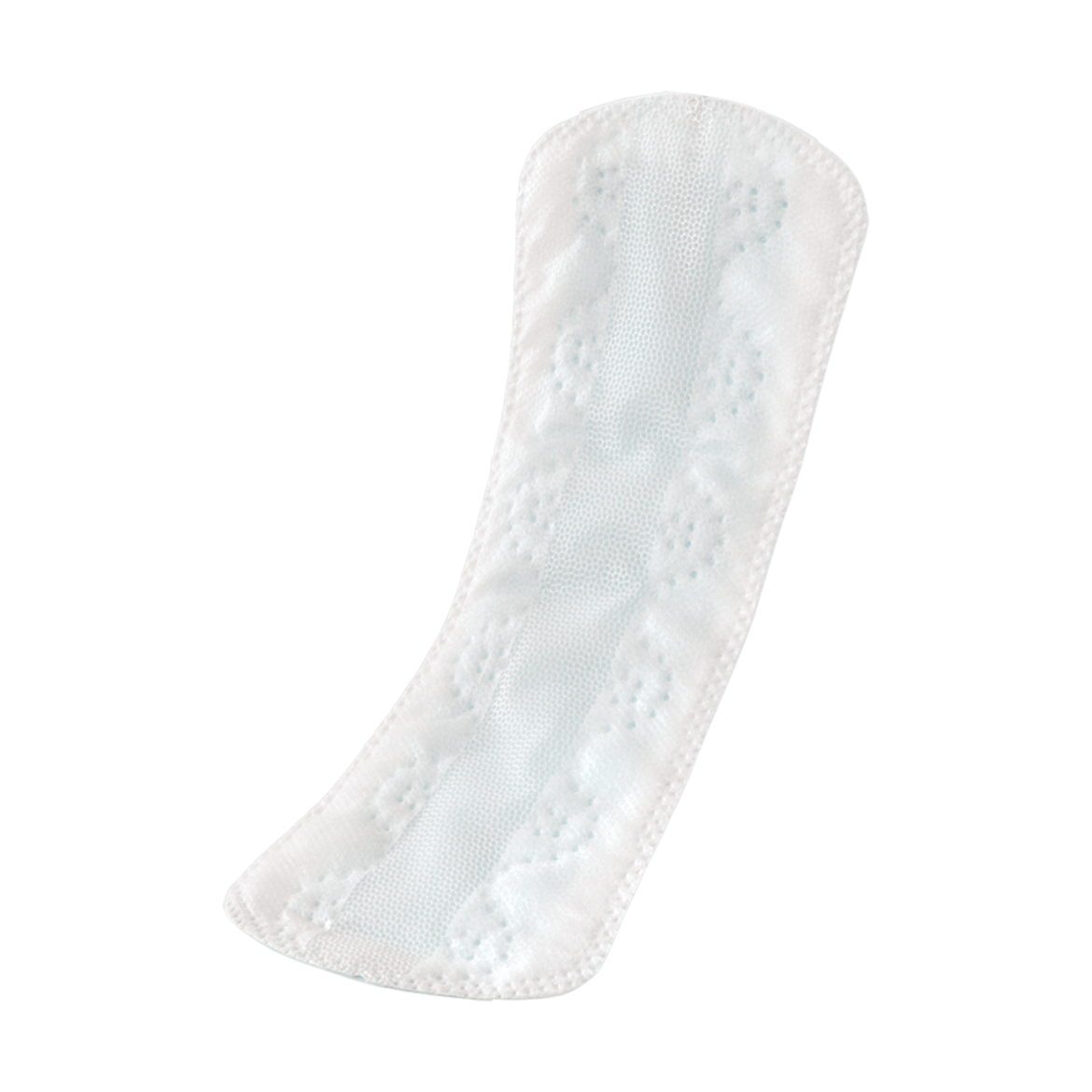
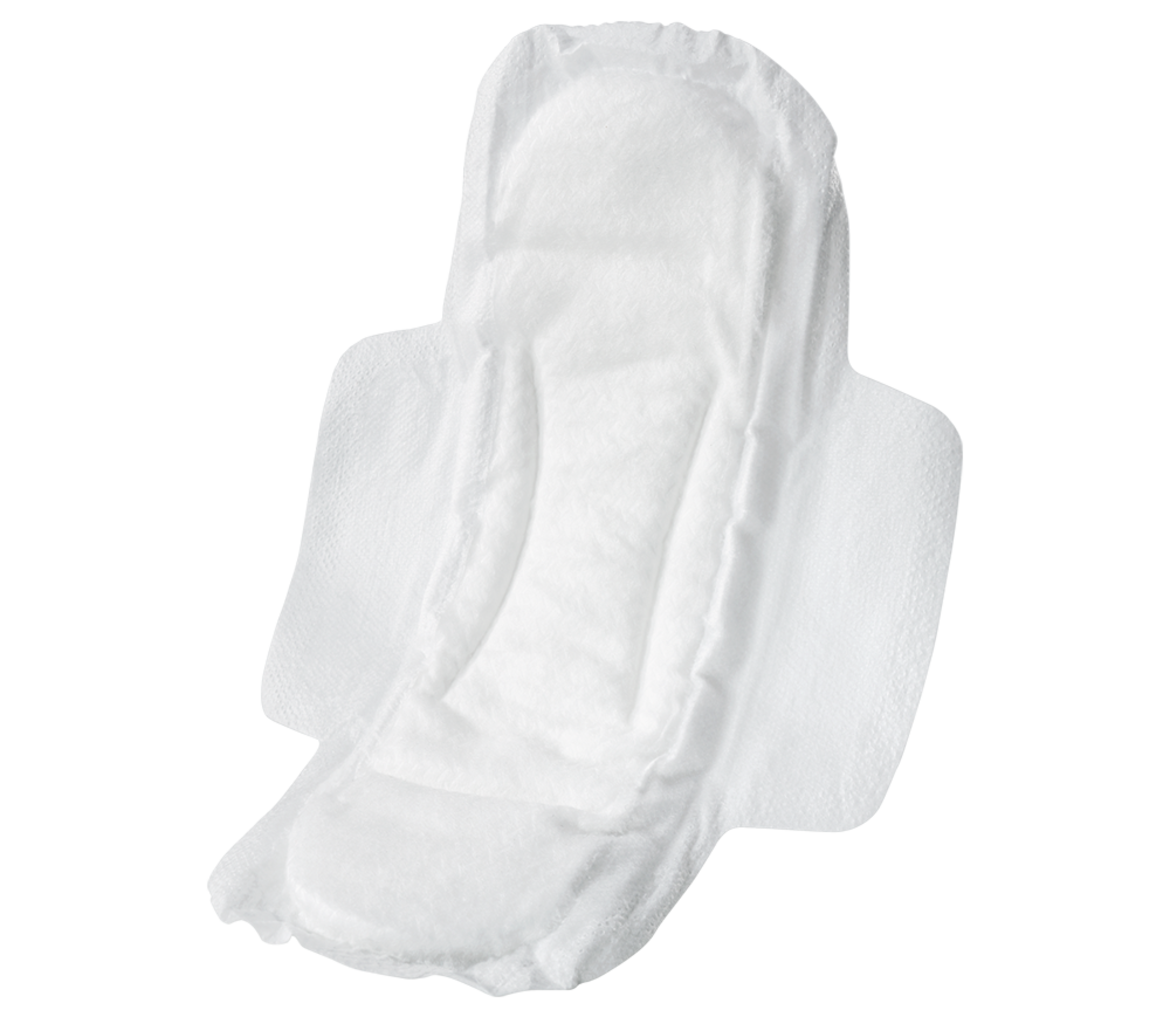
Baby, adult and feminine care products are produced with ultrasonics, providing a positive customer experience in quality, softness and performance.

Get more information

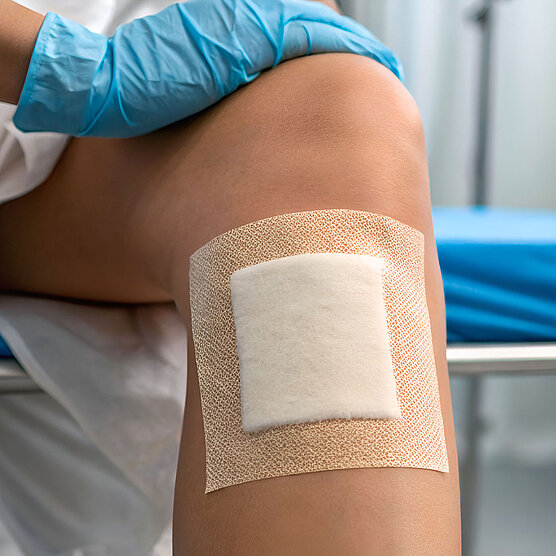
Large bandage on a knee
HEALTHCARE

Healthcare and wound care products are continuously welded safely and consistently at high speeds without the need for extra additives or adhesives.

Contact us for more information

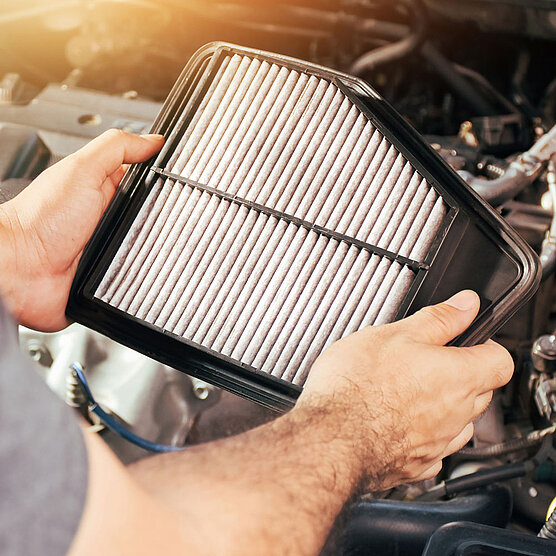
Hands inserting a paper air filter into the engine compartment
FILTER

Filter media quality is reliant on precise bonding while  minimizing the overall bonded surface area.  Ultrasonics maximizes performance while minimizing costs.

Contact us for more information

Worker placing nonwoven sheet over the wooden substructure of a house roof
INDUSTRIAL SOLUTIONS

Industrial products require the bonding method to be reliable and scalable while maintaining consistent welds. Herrmann’s solution achieves these prerequisites.

Contact us for more information

Benefit from our Herrmann Engineering

Videos – take a look behind the scenes

Still have questions?

FAQ – Ultrasonic Bonding for Nonwovens applications

Nonwovens produced from fibers or continuous filaments can be processed by means of efficient ultrasonic welding, e.g. laminating, perforating, joining, embossing, cutting, or bonding.

There are two types of bonds that can be created with ultrasonics. 

  1. A molecular bond can be achieved when similar materials (similar melting points and melt flow indexes) are bonded together. When using a mixture of materials comprised of different plastic fibers, their melting points should be as close together as possible to obtain optimum weld results.
  2. A mechanical bond is created when two dis-similar materials are processed. This is the case, for example, when nonwovens are processed with other materials such as woven fabrics, membranes, spunbonds, airlaids, films, and many more. 

If you want to know whether we can make a bond your specific material combination, just get in touch and we'll run comprehensive tests in our ultrasonic laboratory.

Contact us

Lower basis weight and thin materials less than 10 gsm are applicable to an ultrasonic bonding process.

Ultrasonics bonds materials together by applying ultrasonic sound energy to the materials, through a process that creates intermolecular friction. This results in strong, consistent and repeatable bond results. Ultrasonics is an effective and efficient solution for continuously bonding materials together, independent of the overall material thickness.

Contact us for further information and individual consulting on your application.

Contact us

Continuous ultrasonic bonding enables very high processing speeds. Depending on materials and anvil pattern, production speeds of up to 800 m/min and even higher are achievable when materials, tooling, and system settings are optimally matched. 

You can also find more information on this in our white paper “Your Guide for Maximum OEE In The Hygiene Industry”. 

DOWNLOAD NOW

Ultrasonic bonding systems can be designed for various and expandable production widths beginning with just a few millimeters. Modular system architectures allow multiple ultrasonic units to be arranged side‑by‑side, enabling wide continuous bonding sections of greater than 3 meters. 

Contact us for further information and individual consulting on your application.

Contact us

Download Expert Resources

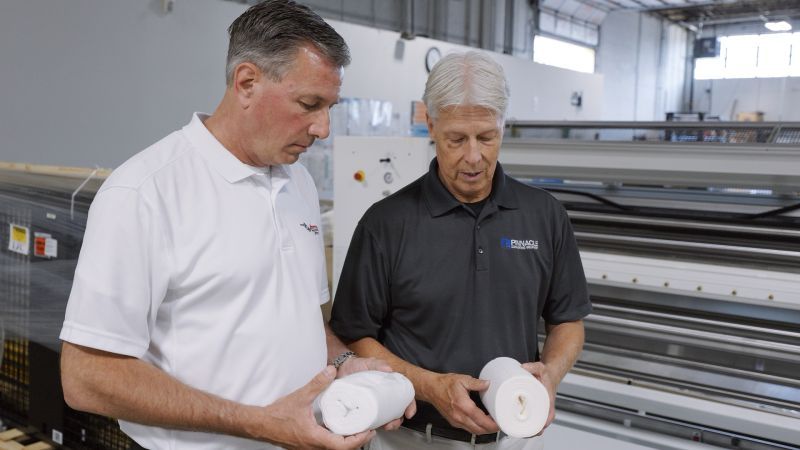
Learn more about the benefits of our ultrasonic bonding technology for your nonwovens application. Our downloads contain knowledge from more than 60 years of ultrasonics, providing valuable insights into advanced assembly techniques. By sharing our technical expertise, we foster a close partnership on equal terms, ensuring we can execute projects as quickly and successfully as possible.

Download our exclusive resources to unlock decades of innovation and stay ahead of the rapidly evolving hygiene products industry.


HYGIENE
HYGIENE pdf 1 MB pdf 1,010 KB pdf 2 MB pdf 2 MB pdf 1 MB
FUNDAMENTALS OF NONWOVENS
HYGIENE, MEDICAL pdf 1 MB pdf 1 MB pdf 1 MB pdf 1,002 KB
Whitepaper: Your Guide for Maximum OEE In The Hygiene Industry
HYGIENE pdf 2 MB pdf 2 MB pdf 2 MB pdf 3 MB pdf 2 MB pdf 3 MB

Partner with Us and Reduce Your Operating Costs

Contact our Nonwovens Team to discover how our premium solutions can increase the output of your diaper production while saving up to 90% of your operating costs. We look forward to hearing from you!

Any questions?
We are here for you
[Translate to China - Englisch:]
[Translate to China - Englisch:]
Sohei Fukai, Director of the Japanese Headquarter